
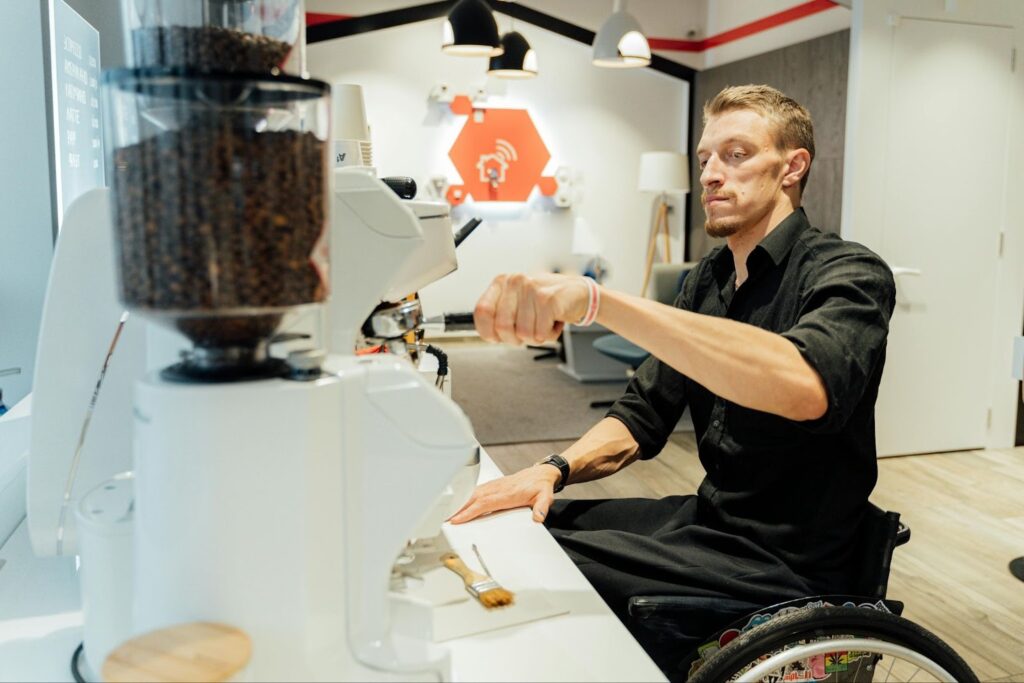
Forget the traditional “hiring manager” mindset. If you are building a team based solely on the standard criteria of “who looks best on paper,” you are missing out on the most resilient, innovative, and loyal segment of the modern labor market.
This is where inclusive employment Australia transforms from a social goal into a strategic powerhouse. It is a high-performance support model designed to dismantle the barriers that keep talented individuals with disabilities, injuries, or health conditions on the sidelines, turning “untapped potential” into “operational excellence.”
Building an inclusive workforce isn’t about charity; it is about engineering a workplace where every individual has the specific tools they need to outperform expectations.
The Architecture of Inclusion: Beyond the “Job Ad”
Standard employment models often fail because they assume every worker starts from the same baseline. Inclusive Employment Australia flips this script, utilising a “person-centered” architecture that adapts the environment to the individual, rather than forcing the individual to fit a rigid mold.
1. The Customised Employment Model
Instead of a “take it or leave it” job description, professional providers work with employers to “carve out” or customise roles. This involves identifying specific tasks within a business that match a candidate’s unique strengths. By shifting a highly skilled worker away from their “bottleneck” tasks and onto their “superpower” tasks, productivity doesn’t just stay steady, it spikes.
2. The Workplace Adjustment Fund (EAF)
Financial barriers to inclusion are a myth. Support models provide direct access to the Employment Assistance Fund (EAF), which covers the costs of:
- Assistive Technology: Screen readers, specialised software, or adaptive hardware.
- Physical Modifications: Height-adjustable desks, ramps, or sensory-friendly lighting.
- Communication Support: Auslan interpreting for meetings or training.
3. Zero-Time-Limit Mentoring
Unlike standard recruitment services that “place and forget,” inclusive models offer ongoing, long-term support. There are no more arbitrary deadlines; providers stay connected with both the employee and the employer for as long as necessary to ensure the placement becomes a career.
4. Supporting the “Silent” Majority: Mental Health & Overall Health Conditions
Inclusion isn’t just about physical access. A massive portion of inclusive employment in Australia involves supporting people with “invisible” barriers, such as neurodiversity or mental health conditions.
- Flexible Work Cycles: Providers help employers implement “outcome-based” work rather than “desk-time” work, allowing individuals to manage their health while delivering high-quality results.
- Awareness Training: Support services deliver onsite education to the wider team, replacing stigma with empathy and practical collaboration strategies.
The Integrated Model That Actually Works
Effective, inclusive employment services in Australia don’t deliver support through isolated interventions; they orchestrate comprehensive ecosystems that address multiple barriers simultaneously, whilst building employer partnerships and creating genuine opportunities.
Phase 1: Comprehensive Assessment
- Going far beyond skills inventories to understand:
- Vocational capabilities and development needs
- Health and disability impacts on work capacity
- Life circumstances affecting employment (transport, caring, housing)
- Personal goals and career aspirations
- Accommodation requirements
- Disclosure preferences
Phase 2: Barrier Removal
- Systematically addressing obstacles through:
- Skills development targeted to labor market demands
- Assistive technology and workplace modifications
- Transport and logistical support
- Mental health and wellbeing interventions
- Financial assistance for work-related costs
- Childcare or caring arrangement support
Phase 3: Strategic Job Matching
- Connecting people with opportunities through:
- Employer partnerships valuing diversity
- Hidden job market access through provider networks
- Supported application processes
- Interview preparation and accommodation
- Workplace assessment and modification advice
Phase 4: Placement Support
- Ensuring successful employment through:
- Workplace induction support
- Accommodation implementation
- Colleague and supervisor education
- Regular check-ins identifying emerging issues
- Problem-solving before challenges escalate
Phase 5: Sustained Success
- Maintaining employment long-term via:
- Ongoing availability for crisis support
- Career advancement facilitation
- Continuous accommodation adjustment
- Employer relationship management
- Transition support when changing roles
How Employers Benefit From Inclusive Employment Models
Inclusive employment not only supports individuals, but it also strengthens workplaces.
Employers gain:
- Access to committed, prepared workers
- Reduced turnover
- Improved safety outcomes
- Support implementing adjustments
- Guidance through onboarding challenges
| Workplace Challenge | How Support Models Help |
| High turnover | Better job matching |
| Skill gaps | Pre-employment preparation |
| Safety concerns | Capacity-aligned roles |
| Onboarding strain | Ongoing provider support |
| Inclusion uncertainty | Practical adjustment advice |
When employers feel supported, inclusion becomes sustainable.
The Role of Health and Readiness in Inclusion
Workplace inclusion fails when health and capacity go unaddressed.
Many support models integrate:
- Functional capacity assessments
- Health and safety screening
- Role suitability reviews
- Return-to-work planning
Aligning health, capacity, and job demands protects workers and employers alike.
Final Thought:
People don’t fail at work because they lack ability. They fail when systems don’t support how humans actually learn, adapt, and perform.
Inclusive employment Australia models work because they design support into the job not around it. They recognise that success at work is a shared outcome, built through partnership, responsiveness, and respect.
When support models focus on staying, not just starting, work stops being a risk and becomes a pathway.